CASE STUDY · RIGSHOSPITALET · 28 SEPTEMBER 2026
What happens when a patient becomes part of the teaching?
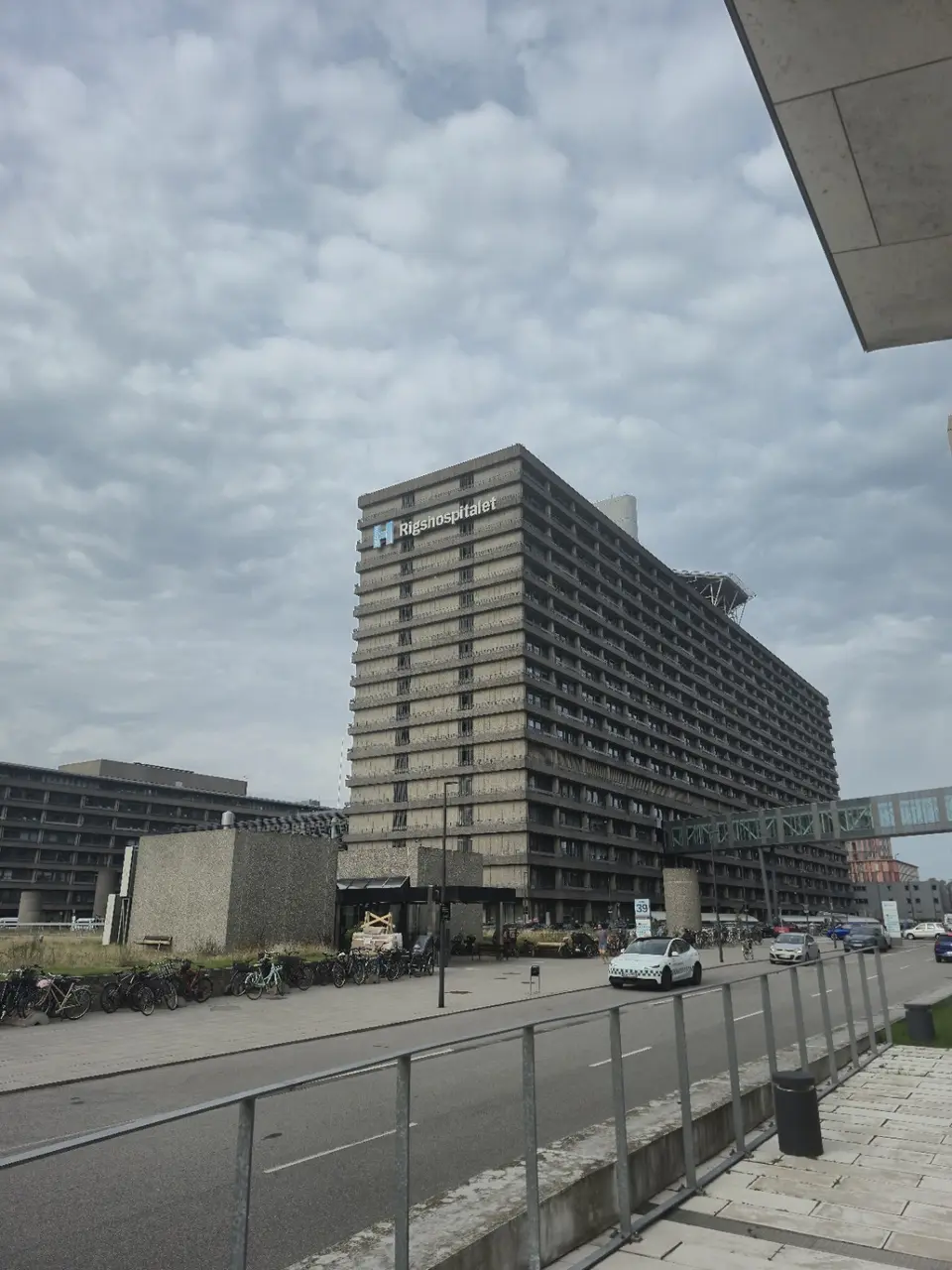
At Rigshospitalet in Copenhagen, medical students encountered life after a total laryngectomy through the words and demonstrations of someone who lives it every day.
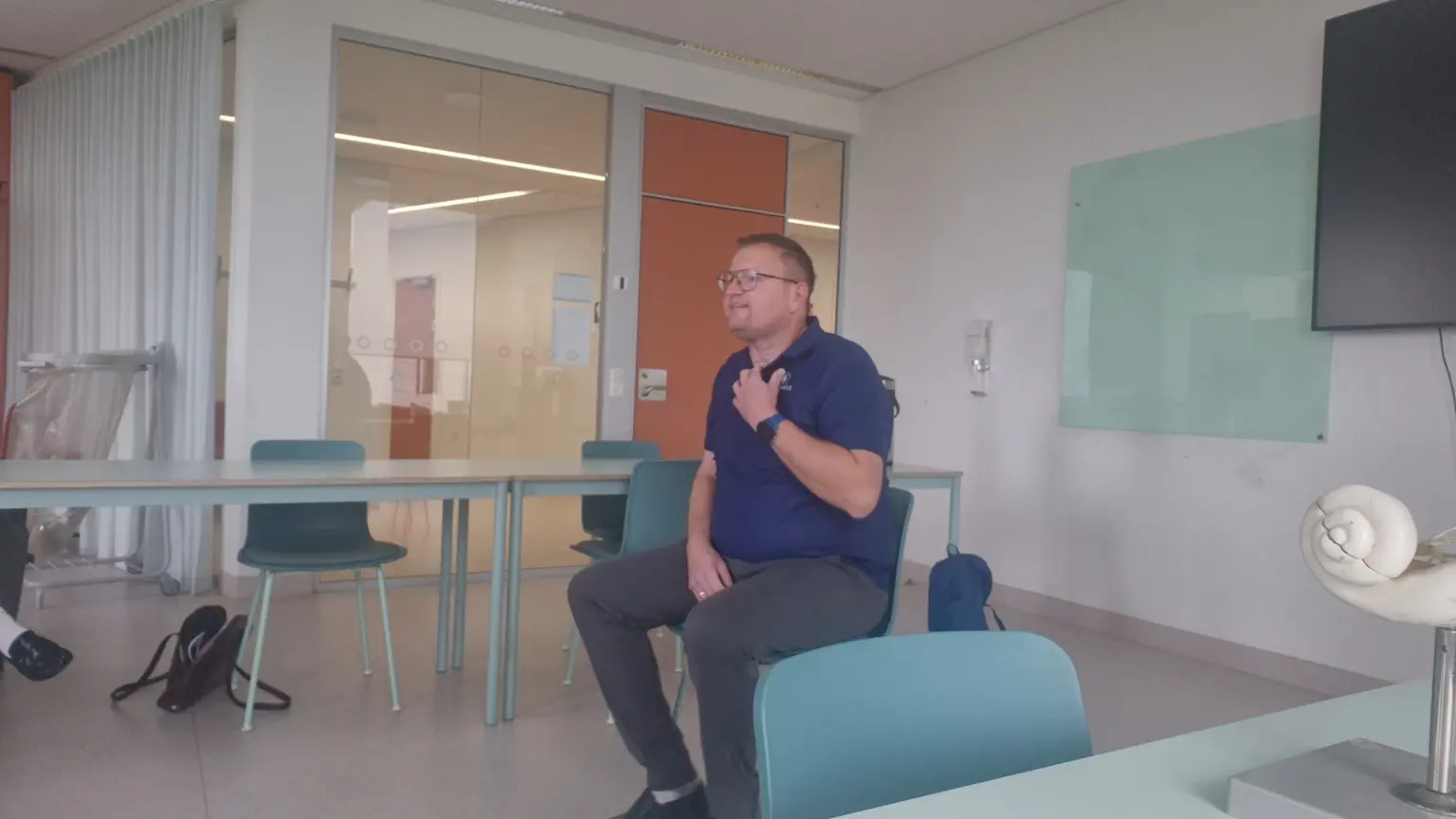
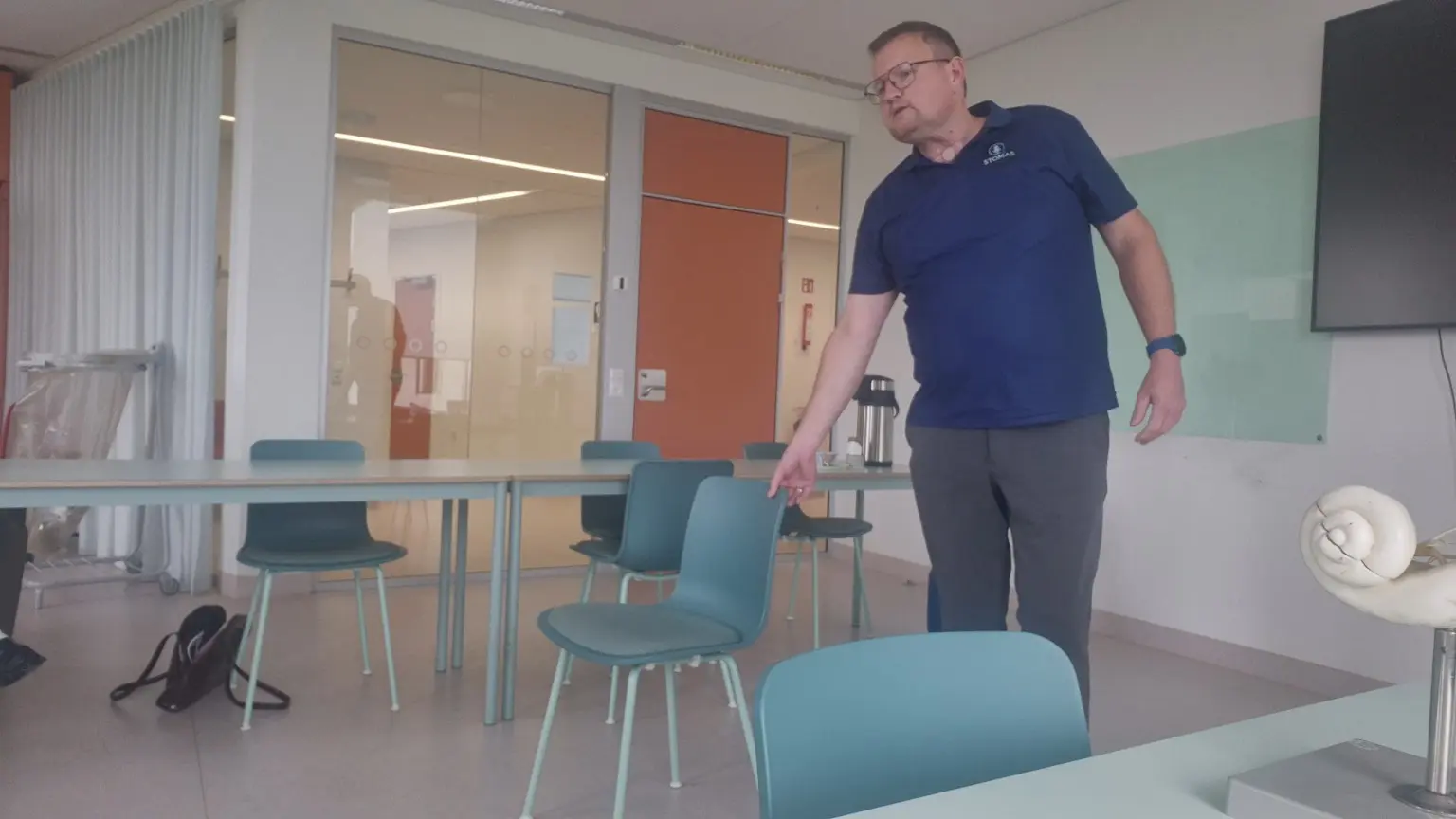
I was invited to contribute my own experience of cancer, my voice after surgery, and the everyday life that follows treatment. The students could see and hear how my voice works in practice and ask the questions that do not always appear in a textbook.
FROM MEDICAL RECORDS TO EVERYDAY LIFE
Clinical knowledge explains what a laryngectomy is. The patient perspective shows what it feels like.
Clinical and technical knowledge is essential. Understanding the experience also means hearing what it feels like to wake up without your usual voice, learn a new way to speak, breathe through a stoma, and return to work, family and social situations.
This is where lived experience can complement the textbook and give future doctors a fuller picture of the person receiving treatment.
The cancer experience
From diagnosis and surgery to rehabilitation and a new everyday life.
Voice and communication
A practical demonstration of the Provox voice prosthesis and the technique used to produce speech.
Life afterwards
The effects on breathing, meals, exercise, work, identity and relationships.
LEARNING THAT STAYS WITH YOU
Giving teaching a face and a voice
Meeting someone who lives with the effects of treatment can make clinical teaching easier to understand and remember. It offers a fuller sense of the operation, rehabilitation and the life the patient is returning to.
THE PATIENT PERSPECTIVE IN YOUR TEACHING
Would you like to bring lived experience into the room?
I offer talks and teaching for healthcare courses, departments, professional events and organisations. The content and format are tailored to the audience and purpose.
Get in touch about teaching